
Author: Jake the snake

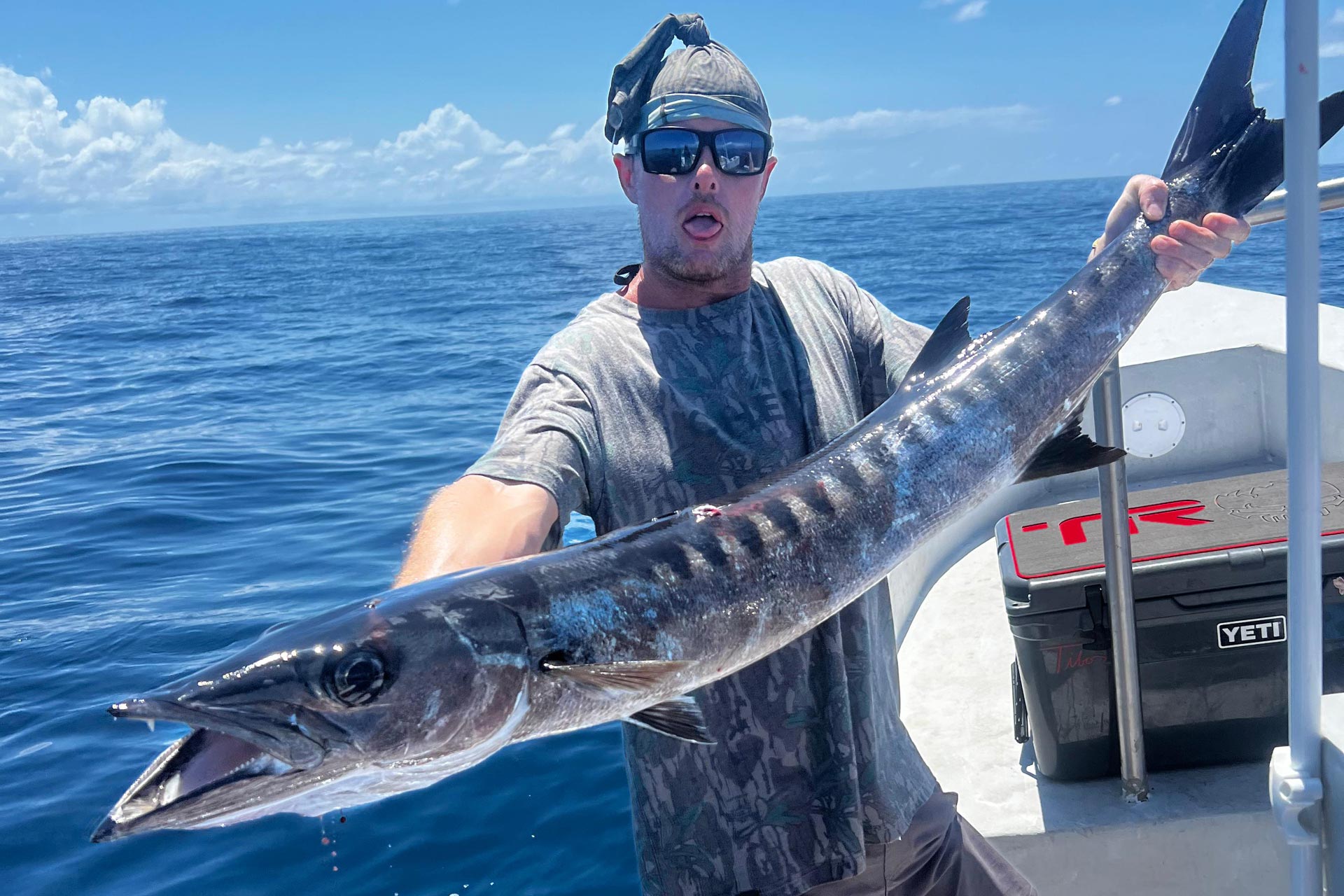
  • Pacific barracuda (Sphyraena argentea)

    Pacific barracuda (Sphyraena argentea)

    Pacific Barracuda Fishing in Panama: Best Seasons, Tips & What to Expect

    Fast, aggressive, and armed with razor-sharp teeth, the Pacific barracuda (Sphyraena argentea) is one of the most exciting inshore predators you can target in Panama. Known for explosive strikes and high-speed chases, barracuda deliver pure adrenaline—especially in shallow water.

    If you’re looking to add variety and action to your fishing trip, here’s everything you need to know about targeting Pacific barracuda in Panama.

    Why Target Pacific Barracuda in Panama?

    Pacific barracuda are often underrated—but once you hook into one, you’ll understand why experienced anglers love them.

    They’re known for:

    • Lightning-fast strikes
    • Aggressive, visual attacks near the surface
    • Strong initial runs
    • Sharp teeth (making every catch a bit more intense)

    They’re also highly accessible, often found closer to shore than many offshore species—perfect for shorter trips or mixed fishing days.

    Best Season for Pacific Barracuda in Panama

    Barracuda are present in Panama year-round, but like many predatory fish, their activity depends on bait movement and water conditions.

    Peak Season

    December to April

    During the dry season:

    • Clearer water improves visibility for hunting
    • Baitfish are more concentrated
    • Barracuda are more aggressive and easier to locate

    This is the best time for consistent topwater action.

    Secondary Season

    May to November

    Barracuda remain active, especially:

    • Near reefs and rocky structures
    • Around estuaries and bait-rich zones

    Even with more rain, fishing can be very productive—especially on calmer days.


    Where to Find Pacific Barracuda

    Unlike pelagic species, barracuda are structure-oriented predators. In Panama, you’ll typically find them:

    • Around rocky shorelines and reefs
    • Near islands and points
    • In bays and estuaries
    • Along drop-offs and current edges

    They often patrol areas where baitfish gather, striking quickly and disappearing just as fast.

    Techniques for Catching Barracuda

    Barracuda are visual hunters, making them perfect for active fishing styles.

    Topwater Lures

    One of the most exciting methods:

    • Use poppers or stickbaits
    • Expect explosive surface strikes

    Casting with Jigs or Plugs

    • Fast retrieves trigger reaction strikes
    • Works well around structure

    Trolling (Nearshore)

    • Cover ground along reefs and coastlines
    • Effective when searching for active fish

    ⚠️ Tip: Always use a wire leader—barracuda teeth can easily cut through standard line.

    Average Size & What to Expect

    In Panama, Pacific barracuda typically range from:

    • 5 to 15 lbs (most common)
    • 20+ lbs (large specimens)

    While not always targeted as trophy fish, their speed and aggression make them a favorite for sport and action.

    Why Add Barracuda to Your Fishing Trip?

    Barracuda are perfect for anglers who want:

    • Fast-paced, visual fishing
    • Action close to shore
    • A break from offshore runs
    • A species that reacts aggressively to lures

    They’re often caught as part of multi-species trips, adding variety and excitement to your day on the water.
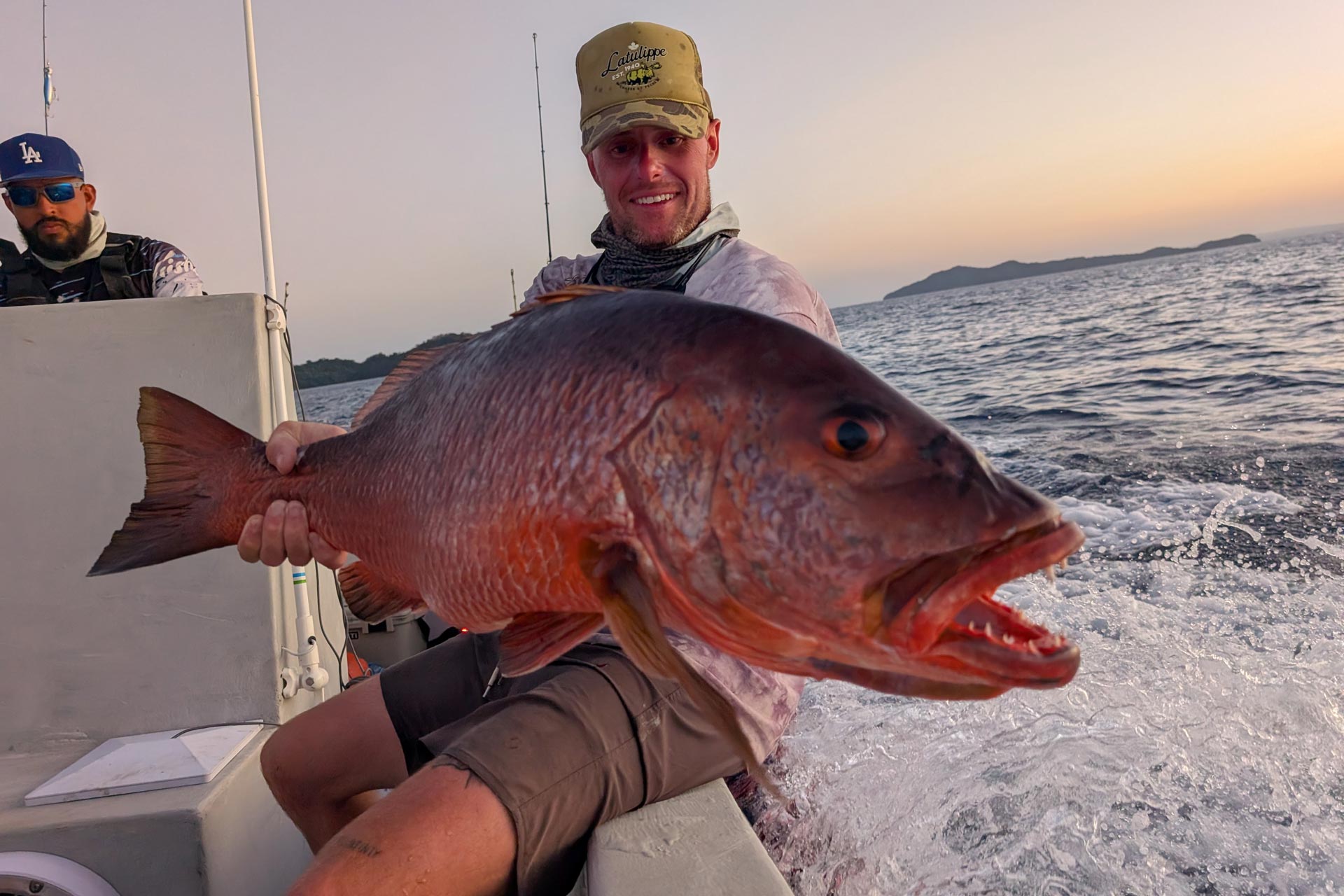
  • Cubera snapper (Lutjanus cyanopterus)

    Cubera snapper (Lutjanus cyanopterus)

    Cubera Snapper Fishing in Panama: Best Seasons, Tips & What to Expect

    Powerful, aggressive, and built for the fight, the cubera snapper (Lutjanus cyanopterus) is one of the most respected inshore game fish in Panama. Known for its brute strength and ability to dive straight into structure, this species offers one of the most intense battles you can experience on rod and reel.

    If you’re looking for a true test of strength and technique, here’s everything you need to know about targeting cubera snapper in Panama.

    Why Target Cubera Snapper in Panama?

    Cubera snapper are not just another reef fish—they are apex predators of the inshore environment.

    Anglers target them for:

    • Explosive, hard-hitting bites
    • Immediate, powerful runs toward structure
    • Heavy weight and trophy potential
    • Technical, high-stakes fights

    Hooking a cubera is one thing—landing it is another. This is a fish that demands skill, strength, and the right setup.

    Best Season for Cubera Snapper in Panama

    Cubera snapper can be caught year-round in Panama, but certain seasons provide ideal conditions.

    Peak Season

    December to April

    The dry season offers:

    • Calmer seas for accessing remote structure
    • Clearer water conditions
    • Increased feeding activity

    This is the best time to consistently target large cubera snapper.

    Secondary Season

    May to November

    Fishing remains strong, especially:

    • Around deep reefs and rocky zones
    • During tidal movements

    While conditions can be less predictable, experienced guides can still put you on quality fish.

    Where to Find Cubera Snapper

    Cubera snapper are structure-dependent and thrive in rugged environments. In Panama, they are typically found:

    • Around rocky reefs and ledges
    • Near underwater structures and drop-offs
    • Close to islands and submerged rock formations
    • In areas with strong current and bait presence

    They often stay tight to cover, which is why the first seconds after the hook-up are critical.

    Techniques for Catching Cubera Snapper

    Landing a cubera requires heavy gear and precise technique.

    Live Bait Fishing

    The most effective method:

    • Use live fish like blue runners or smaller baitfish
    • Drop bait near structure
    • Be ready for an instant strike

    Jigging

    • Vertical jigging near reefs can trigger aggressive hits
    • Requires strength and control

    Casting (When Active)

    • Large lures or swimbaits near structure
    • Less common, but highly visual and rewarding

    ⚠️ Tip: Use heavy tackle—cubera will head straight for rocks after the strike. You have seconds to react.

    Average Size & What to Expect

    In Panama, cubera snapper commonly range from:

    • 20 to 50 lbs (solid catches)
    • 60+ lbs (trophy class)

    These fish are incredibly strong for their size, often outperforming expectations in terms of fight.

    Why Panama is a Top Destination for Cubera Snapper

    Panama’s Pacific coast is one of the best places in the world to target cubera snapper thanks to:

    • Abundant rocky structure and reefs
    • Healthy bait populations
    • Year-round fishing opportunities
    • Access to remote, lightly pressured areas

    It’s one of the few destinations where landing a true trophy cubera is a realistic goal.

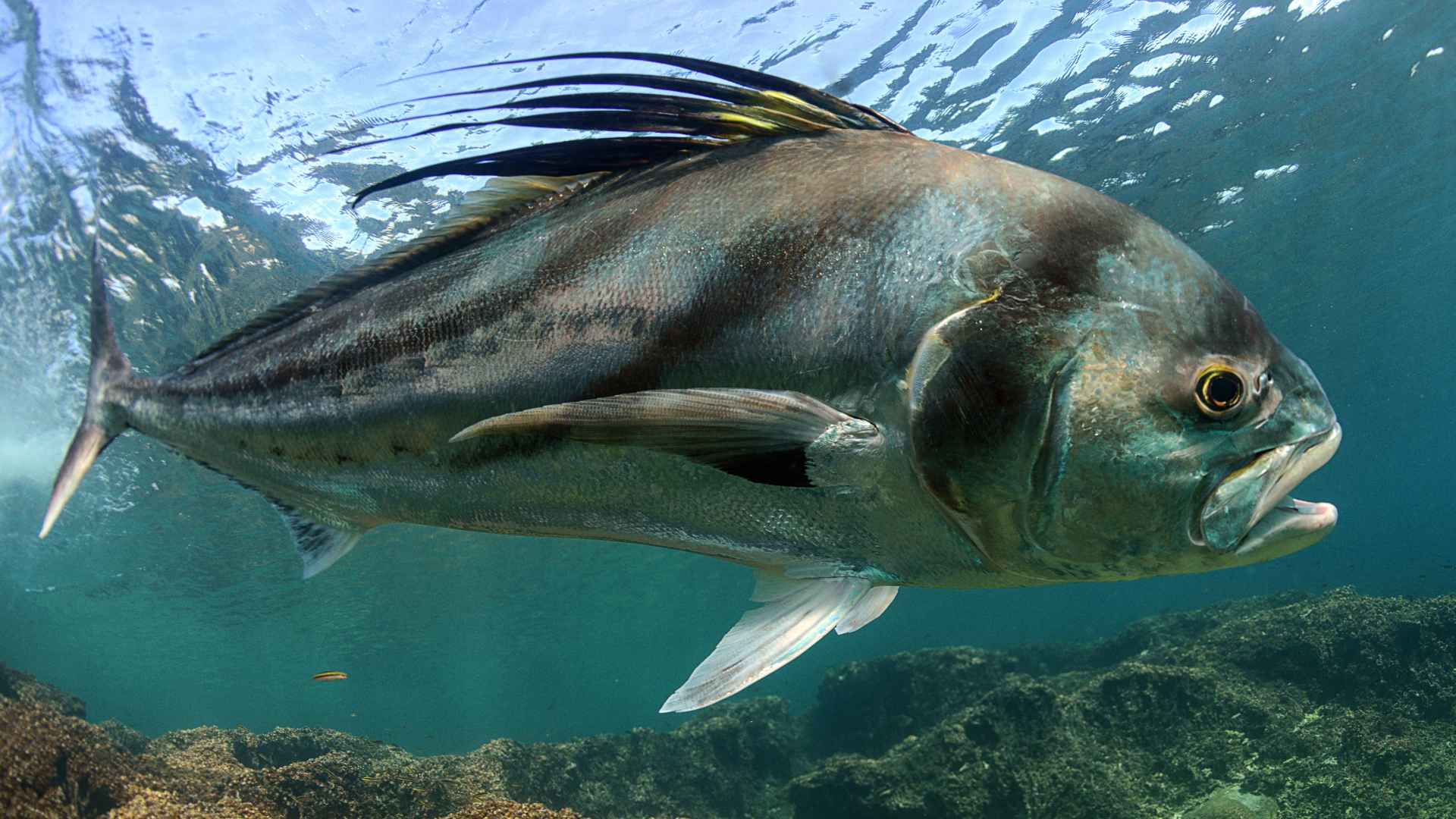
  • Roosterfish (Nematistius pectoralis)

    Roosterfish (Nematistius pectoralis)

    Roosterfish Fishing in Panama: Best Seasons, Tips & What to Expect

    Iconic, powerful, and unmistakable, the roosterfish (Nematistius pectoralis) is one of the most legendary inshore game fish in Panama. With its dramatic dorsal “comb” slicing through the water and its aggressive strikes, roosterfish offer a unique, visual fishing experience unlike any other.

    For many anglers, landing a roosterfish isn’t just a catch—it’s a bucket-list achievement.

    Why Target Roosterfish in Panama?

    Roosterfish are one of the most exciting species you can pursue in shallow, coastal waters.

    They’re known for:

    • Explosive, visual surface strikes
    • Powerful runs along the shoreline
    • Their iconic dorsal fin (“rooster comb”)
    • A strong, stubborn fight on medium-heavy tackle

    They are also typically catch-and-release, making them a prized sportfish focused purely on the experience.

    Best Season for Roosterfish in Panama

    Roosterfish are available year-round, but certain conditions make them more active and easier to target.

    Peak Season

    December to April

    During the dry season:

    • Calmer seas improve access to beaches and rocky coastline
    • Baitfish are more concentrated near shore
    • Roosterfish are more actively feeding

    This is the best time for consistent action and sight fishing opportunities.

    Secondary Season

    May to November

    Fishing remains strong, especially:

    • Early mornings and late afternoons
    • Around areas with strong bait presence

    Despite occasional rain, roosterfish are still highly catchable throughout this period.

    Where to Find Roosterfish

    Roosterfish are inshore predators that thrive in dynamic coastal environments. In Panama, they are typically found:

    • Along sandy beaches
    • Near river mouths and estuaries
    • Around rocky points and shorelines
    • In areas where baitfish gather close to shore

    They often hunt in very shallow water, which makes for incredibly visual and exciting fishing.

    Techniques for Catching Roosterfish

    Roosterfish are best targeted using active, hands-on techniques.

    Live Bait Fishing

    The most effective method:

    • Slow-troll or free-line live bait (like sardines or mullet)
    • Present bait near shorelines or structure
    • Be ready for aggressive takes

    Casting Lures

    • Use stickbaits, poppers, or swimbaits
    • Retrieve quickly to trigger reaction strikes
    • Ideal for sight fishing scenarios

    Slow Trolling

    • Cover ground along beaches and points
    • Effective for locating fish before casting

    Average Size & What to Expect

    In Panama, roosterfish typically range from:

    • 20 to 50 lbs (common catches)
    • 60+ lbs (trophy fish)

    They are known for their endurance and will often make multiple strong runs before being landed.

    Why Panama is a Top Destination for Roosterfish

    Panama is one of the best places in the world to catch roosterfish thanks to:

    • Extensive, untouched coastline
    • Strong bait populations
    • Year-round fishing opportunities
    • Low fishing pressure in remote areas

    Few destinations offer such consistent access to large roosterfish in a wild, natural setting.

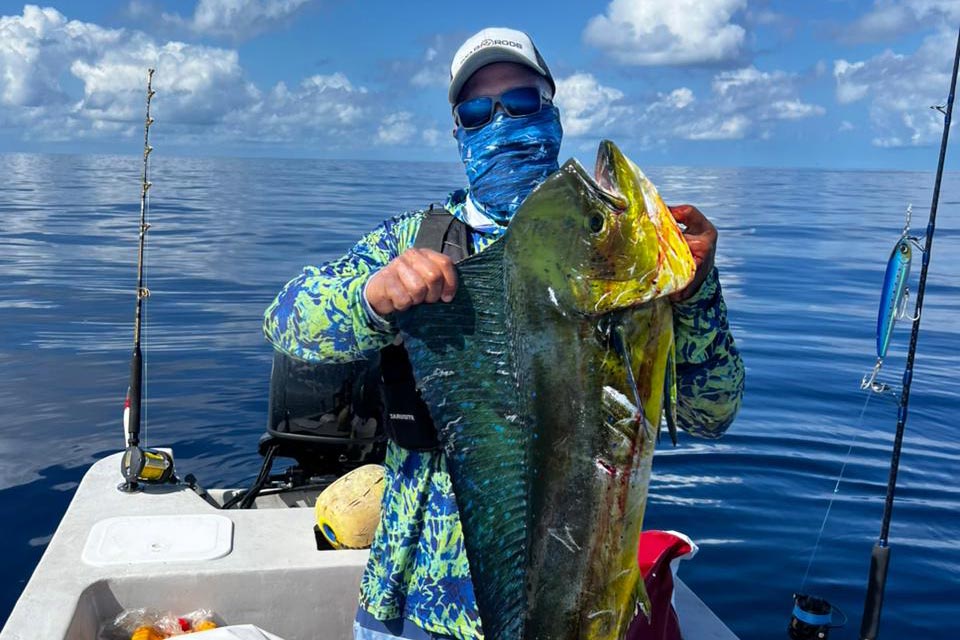
  • Mahi-mahi (Coryphaena hippurus)

    Mahi-mahi (Coryphaena hippurus)

    Mahi-Mahi Fishing in Panama: Best Seasons, Tips & What to Expect

    Few fish offer the same mix of speed, color, and excitement as the mahi-mahi (Coryphaena hippurus). Known for its electric colors and aggressive strikes, this species is one of the top targets for anglers visiting Panama.

    Whether you’re planning your first offshore trip or looking to time your next fishing adventure perfectly, here’s everything you need to know about catching mahi-mahi in Panama.

    Why Target Mahi-Mahi in Panama?

    Mahi-mahi—also called dorado or dolphinfish—are one of the most sought-after game fish in tropical waters. In Panama, they are abundant, fast-growing, and known for:

    • Explosive topwater strikes
    • High-speed runs and acrobatic jumps
    • Vibrant colors (neon green, blue, and gold)
    • Excellent table quality

    Panama’s Pacific coast offers ideal conditions, making it one of the best places in the world to catch them consistently.

    Best Season for Mahi-Mahi in Panama

    One of the biggest advantages of fishing in Panama is that mahi-mahi are available year-round. However, certain periods offer peak action.

    Peak Season (Best Time to Catch Mahi-Mahi)

    December to April

    During the dry season, offshore conditions are calmer and more predictable. This is when large schools of mahi-mahi gather around floating debris and current lines.

    • Calm seas = better offshore access
    • Higher concentration of fish
    • Ideal for trolling and sight fishing

    Secondary Season (Still Very Good)

    May to November

    The rainy season can still produce excellent mahi-mahi fishing, especially when:

    • There is floating debris washed offshore
    • Strong currents create feeding zones

    You may encounter slightly rougher seas, but fewer boats on the water can mean less pressure on the fish.

    Where to Find Mahi-Mahi

    Mahi-mahi are pelagic fish, meaning they live in the open ocean. In Panama, they are typically found:

    • Around floating debris (logs, seaweed, buoys)
    • Along current lines and temperature breaks
    • Offshore, often 10–40 miles from the coast

    These fish are highly migratory and tend to travel in schools, so once you find one, there are usually more nearby.

    Techniques for Catching Mahi-Mahi

    The most effective methods used in Panama include:

    Trolling

    The most common technique:

    • Use lures or rigged baits
    • Cover large areas of water
    • Ideal for locating schools

    Casting

    Once fish are spotted:

    • Cast live bait or lures near debris
    • Expect aggressive strikes

    Live Bait Fishing

    • Highly effective when fish are present
    • Keeps the action going once a school is found

    Average Size & What to Expect

    In Panama, mahi-mahi typically range from:

    • 10 to 30 lbs (common catches)
    • 40+ lbs (trophy fish)

    Thanks to the rich waters of the Pacific, fast growth rates mean you always have a chance at landing a trophy.

    Why Panama is a Top Destination for Mahi-Mahi Fishing

    Panama stands out globally because of its:

    • Year-round fishing opportunities
    • Rich biodiversity
    • Short travel time to offshore fishing grounds
    • Consistent action for multiple species

    Many trips targeting mahi-mahi also encounter tuna, wahoo, and billfish—making every outing unpredictable and exciting.

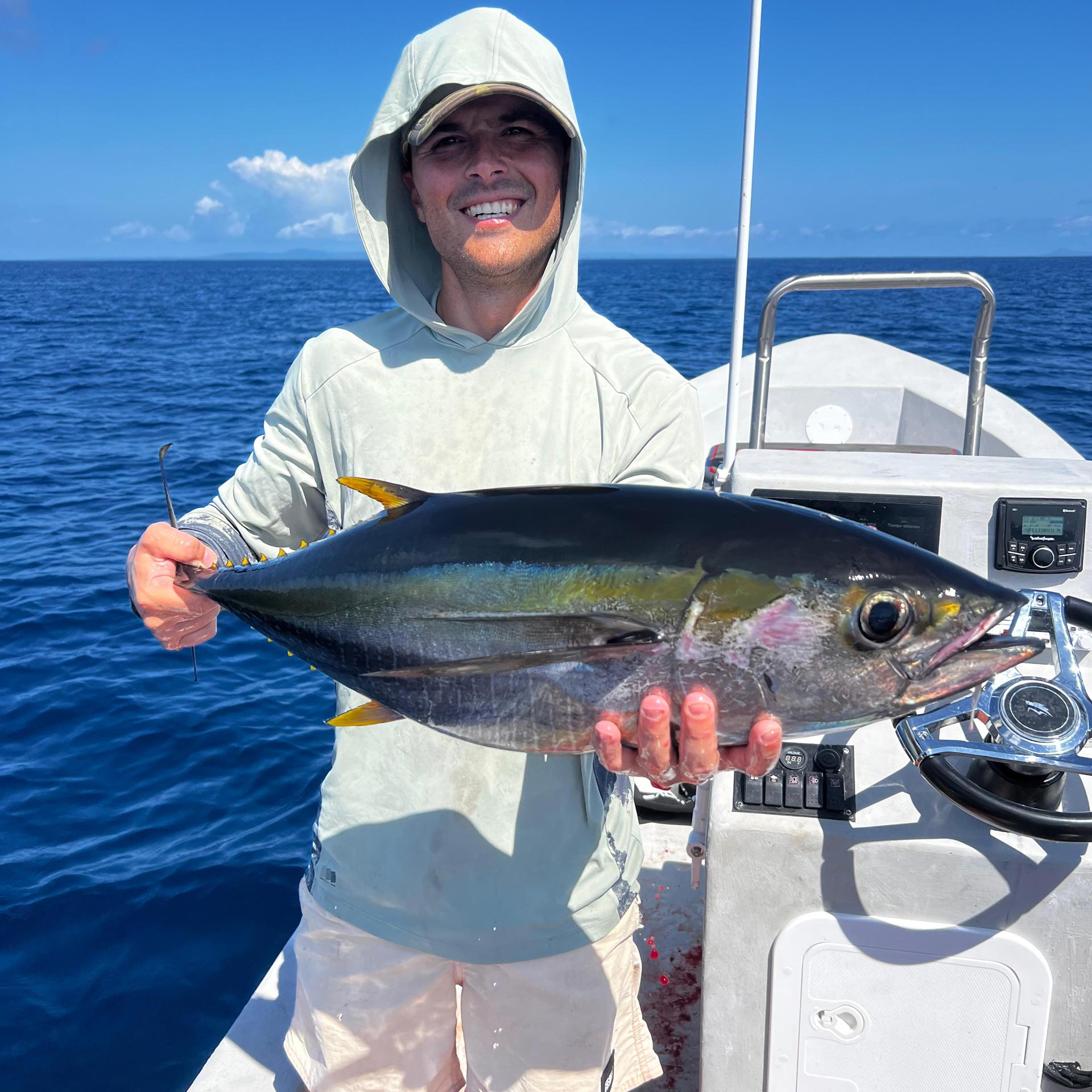
  • Yellowfin tuna (Thunnus albacares)

    Yellowfin tuna (Thunnus albacares)

    Yellowfin Tuna Fishing in Panama: Best Seasons, Tips & What to Expect

    Few fishing experiences compare to the raw power and endurance of yellowfin tuna (Thunnus albacares). Known for blistering runs, deep dives, and non-stop fights, yellowfin are one of the most prized offshore game fish in Panama.

    Whether you’re chasing your first tuna or targeting a true giant, here’s everything you need to know about yellowfin tuna fishing in Panama.

    Why Target Yellowfin Tuna in Panama?

    Yellowfin tuna are built for speed and strength. Hooking one means you’re in for a serious battle.

    They’re known for:

    • Long, powerful runs that test your drag system
    • Deep dives and sustained pressure fights
    • Schooling behavior (multiple hookups possible)
    • Incredible table quality (sushi-grade meat)

    Panama is one of the few places where you can realistically target both high numbers and trophy-sized fish in the same trip.

    Best Season for Yellowfin Tuna in Panama

    Yellowfin tuna are available year-round, but certain months offer peak action depending on feeding patterns and migration.

    Peak Season

    December to April

    During the dry season:

    • Large schools are more active offshore
    • Calm seas allow access to productive tuna grounds
    • Surface feeding activity increases

    This is the best time to target both numbers and size.

    Secondary Season

    May to November

    Fishing remains productive, especially:

    • Around offshore seamounts and islands
    • When bait is abundant

    You may encounter more variable weather, but fewer boats can mean excellent opportunities.

    Where to Find Yellowfin Tuna

    Yellowfin tuna are pelagic and highly migratory. In Panama, they are commonly found:

    • Offshore near seamounts and underwater structures
    • Around islands and current breaks
    • Beneath schools of baitfish
    • Under bird activity (frigate birds are a key sign)

    When tuna are feeding on the surface, the action can be fast and chaotic.

    Techniques for Catching Yellowfin Tuna

    Targeting yellowfin involves both strategy and stamina.

    Popping (Topwater)

    One of the most exciting methods:

    • Cast large poppers into feeding frenzies
    • Expect explosive surface strikes

    Jigging

    • Vertical jigging in deeper water
    • Effective when fish are holding below the surface

    Live Bait Fishing

    • Extremely productive when tuna are keyed in on bait
    • Can lead to multiple hook-ups

    Trolling

    • Helps locate schools over large areas
    • Often used to find fish before switching techniques

    Average Size & What to Expect

    In Panama, yellowfin tuna typically range from:

    • 30 to 80 lbs (common catches)
    • 100–200+ lbs (trophy class)

    Large yellowfin are known for long, grueling fights that can push even experienced anglers to their limits.

    Why Panama is a Top Destination for Yellowfin Tuna

    Panama’s Pacific waters are world-renowned for tuna fishing thanks to:

    • Rich feeding grounds and nutrient currents
    • Consistent year-round presence of tuna
    • Opportunity for both high volume and trophy fish
    • Close proximity to offshore fishing zones

    It’s one of the best destinations for anglers looking for serious offshore action.